
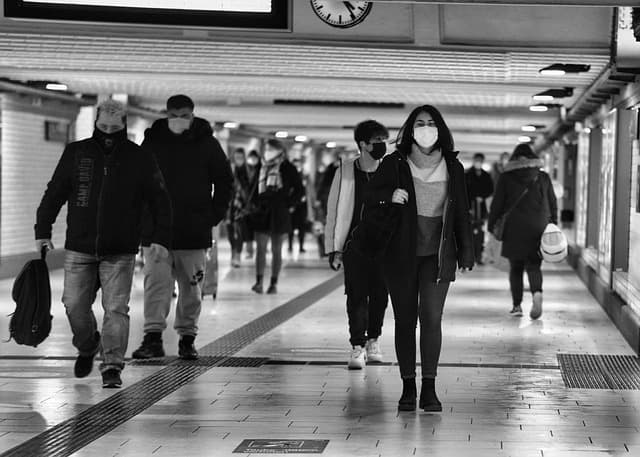
The coronavirus pandemic has dictated its own rules, and the word “vacation” has long sounded like something out of a fantasy. Nevertheless, some countries are gradually opening their borders and preparing to welcome tourists. Traveling during a pandemic, no matter how you look at it, remains risky. However, if you are determined to pack your bags, make sure you make your trip as safe as possible.
How to prepare for a trip
First, you need to carefully study all the information regarding the conditions of stay and the epidemiological situation in the country you have chosen for your vacation. Here are the factors you should pay attention to first.
The level of COVID-19 spread in the places you are traveling to.
- Entry requirements and quarantine measures in the country and city (the need for a certificate or test, travel restrictions, quarantine in the country of entry, as well as in your country after returning from your trip). You can use interactive maps, ministry websites, and local health authorities to check for the latest information. Be prepared for rules to change at short notice.
- Availability of all necessary services in the areas of transportation, food, and accommodation, as well as strict adherence to safety measures in public places.
- Ventilation systems and the use of updated cleaning and disinfection protocols in hotels and apartments.
- Cancellation and rescheduling policies (both on the part of the hotel or carrier and on the part of the tourist). Fortunately, most carriers and hotels have introduced flexible policies in connection with the pandemic, but it is better to familiarize yourself with this information in advance to take all the nuances into account.
- Current WHO recommendations on general safety measures, prevention, and symptoms of coronavirus. Learn as much new information as possible from reliable sources to stay up to date.
Be sure to take out insurance that covers the cost of treatment for COVID-19. There are also insurance programs for trip cancellation. This type of insurance covers expenses in case of unforeseen circumstances.
Before traveling, be sure to assess your health and that of those traveling with you. Try to limit contact with other people two weeks before your trip and calculate your individual risks (presence of concomitant chronic diseases, age, etc.).
Cancel your trip if you or your family members have characteristic symptoms or have been in contact with COVID-19 patients in the last 14 days. When planning your vacation, consider the possibility that, in case of infection, you may have to postpone your return home for some time.
What to take with you on a trip
During a pandemic, it is especially important to have all the necessary protective equipment with you. When preparing for a trip, it is best to make a list of such items in advance. Here is what should be included in it first and foremost.
- Antiseptic spray or gel containing at least 60% alcohol. It is also a good idea to stock up on dry, alcohol-based wipes for disinfecting various surfaces.
- Several masks, which you will change periodically during your trip. It is recommended to choose products with two or more layers.
- Several pairs of disposable gloves.
- An electronic thermometer. This item is not essential, but it will help you easily monitor your condition anytime, anywhere. If you notice a fever in time, you can quickly self-isolate and reduce the risk of spreading the coronavirus.
- Medicines. Be sure to bring antipyretics and other medications that relieve symptoms. These can include lozenges for sore throat and cough, drops or spray for nasal congestion, and moisturizing saline spray. In addition, your first aid kit should always contain remedies for stomach upset and allergies, as well as painkillers. If you are taking any specific medications that you may need to alleviate other conditions or symptoms, make sure you have them with you as well.
- Do not buy antibiotics, antiviral or immunomodulatory drugs without a doctor’s prescription. Consult your family doctor for a more accurate list of specific medications.
- Extra cash “in reserve.” During a pandemic, it is better to always be on the alert and anticipate possible force majeure situations in advance.
- Multi-currency cards and electronic documents. Of course, you should also have cash, originals, and printouts of documents with you. However, if possible, it is better to give preference to contactless interactions.
Safety in public places
Of course, you can’t just sit in your hotel room the whole time you’re on vacation. When traveling to a new place, you want to see as many sights as possible and visit different places. Still, don’t let the excitement and vivid impressions push your caution to the back burner.
It is very important to follow the rules and quarantine measures established in the country you are visiting. For example, in some places you may be fined for not wearing a mask on the street. When planning your leisure time, check the opening hours and visiting conditions of the attractions you are interested in beforehand. It is also a good idea to find out where the nearest pharmacies and hospitals are located in the city.
When booking a table at a café or restaurant, give preference to establishments with outdoor seating, spacious rooms, and strict social distancing measures. Try to limit your visits to clubs and mass events and, if possible, use public transport less often. If you prefer street food or food courts, make sure that the staff follow all the rules and wear masks and gloves. Always take a first aid kit and personal protective equipment with you when you go for a walk.
Most importantly, conscientiously follow the safety rules that apply to all of the above places so as not to put yourself and others at risk. Remember that even simple actions can help protect life and health.